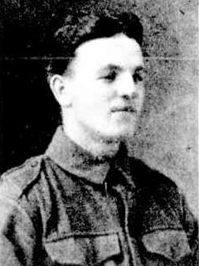
Russell Henry BALSDON
Eyes brown, Hair dark, Complexion dark
The Balsdons - Three sons at Fromelles, Two Lost
We sincerely thank descendant Ian Balsdon who contributed to the story.
Can you help us identify James?
James Balsdon was killed during the Battle of Fromelles on 20 July 1916. Although eyewitnesses reported that he was killed during the Australian assault, he has no known grave and the exact circumstances surrounding his burial remain uncertain. In 2008, a mass grave containing 250 Australian and British soldiers was discovered at Pheasant Wood, near Fromelles. The grave had been dug by the Germans after the battle to bury soldiers they had recovered from the battlefield. As of 2026, more than 180 of those soldiers have been identified through DNA testing, but around 70 remain unknown. James appeared on the German Death Lists and his identity disc and paybook were recovered by the German Army. As a soldier of the 30th Battalion who fell in the area where many of the recovered Australians were found, there is a possibility that he is among the unidentified soldiers buried at Pheasant Wood. There is still an opportunity to identify James, but we need help. We are seeking DNA donors from all branches of the Balsdon family, particularly descendants of his sisters Grace, Clara and Blanche, whose maternal DNA may assist in confirming his identity. See the DNA box at the end of this story for what we know about James's family. If you know of Balsdon family descendants in Australia, England or elsewhere, please contact the Fromelles Association.
Early Life
From the coal mines in Northumberland, England to the coal mines in the Hunter Valley, New South Wales
James Balsdon was born in 1889 at Blyth, Northumberland, England, the fifth of eight children born to James Balsdon and Margaret Bell. He grew up in one of Britain's great coal mining districts, where generations of families depended on the mines for their livelihood.
His siblings were:
- Grace (1875–1908), who married Emil Kneeling.
- George Bell (1880–1966), who married Emma Floyd Southern.
- Clara (1883–1949), who married Arthur Morin.
- Joseph Tucker (1886–1976), who married Margaret Ellen Hindmarsh.
- John Turner (1892–1955). wounded in action at Fromelles
- Russell Henry (1895–1916) Died of wounds
- Blanche Mary (1898–1971), who married Clifford Yeomans.
James and his sons worked in the Northumberland coal mines - Joseph is in the 1901 census as being a pony driver in the mines at just 14 years old. The 1901 England Census paints a picture of a typical Northumberland mining family. James's father worked as a coal miner and, like many boys in the district, the children entered the industry from an early age. Fourteen-year-old Joseph was already employed as a pony driver underground, guiding pit ponies that hauled coal through the narrow mine workings. James and his younger brother Russell would also follow their father into the mines.
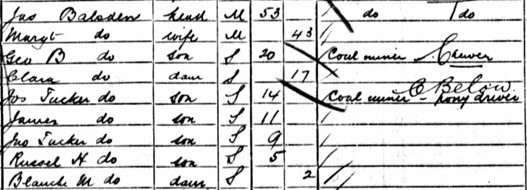
James, senior, died in 1906. Then, in 1912, the 54-year-old Margaret decided to migrate to Australia with James, Russell and Blanche. Joseph and his wife Margaret followed in July 1914. Grace, George, Clara and John remained in England with their families. Being a family of miners, they settled in the Australian coal mining centre of the Hunter Valley NSW. They lived in Weston, which is about 40 km NW of Newcastle.
Although mining remained the family's principal occupation, the Balsdons were remembered for much more than their work underground. Their home in Weston was filled with music and art, with a grand piano occupying pride of place in the front room. By 1915 the Balsdons had established themselves in their adopted community. James and Russell worked as miners, while Joseph was employed as a billiard marker. Within a year, however, the family's fortunes would change forever as three brothers volunteered to serve with the Australian Imperial Force, while another brother and a nephew answered the call in Britain. The war would exact an extraordinary toll on one family.
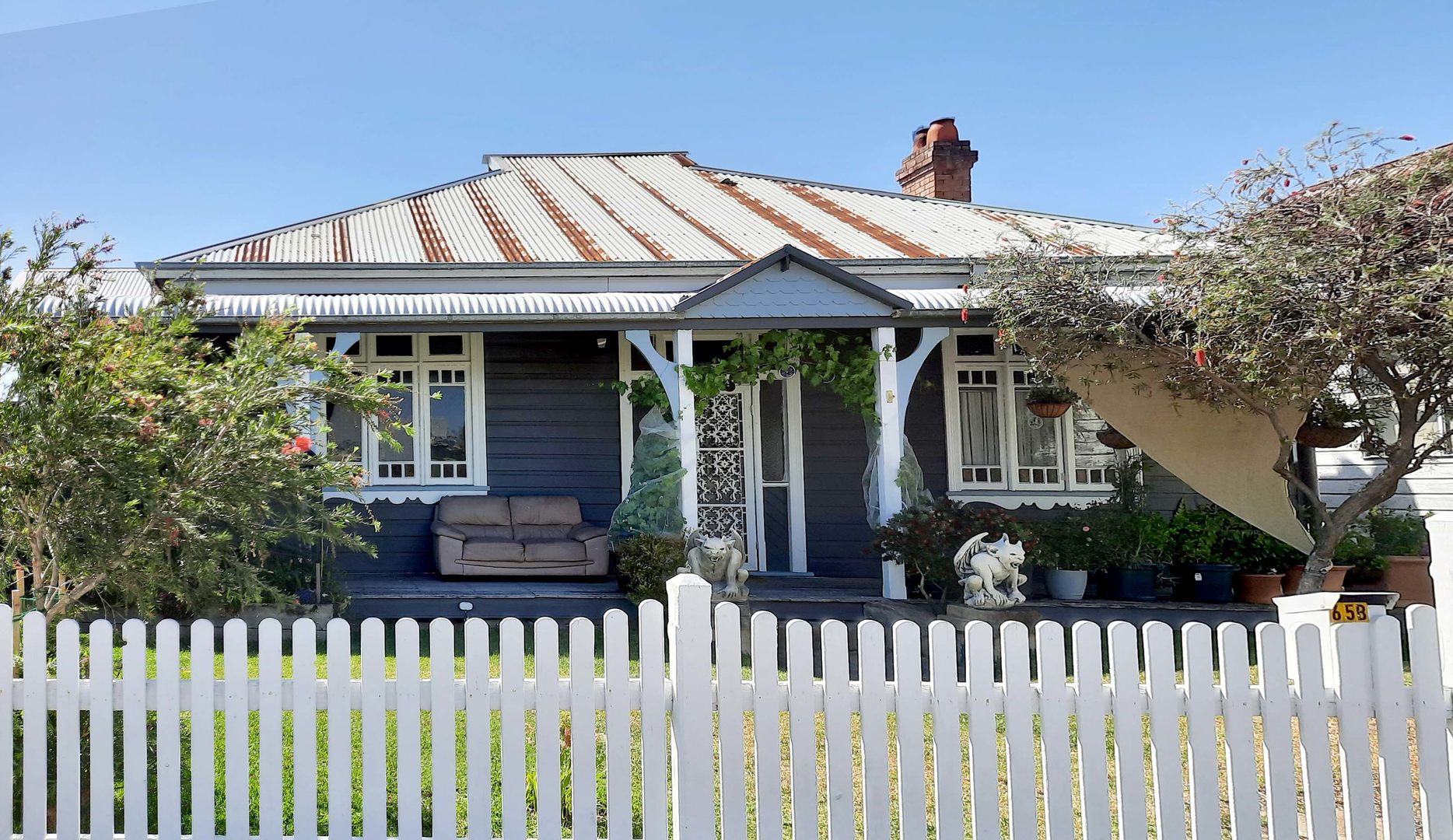
Ian Balsdon remembers the home – There is a chimney (that you can’t see in this photo) on the left side where there was a fire and mantlepiece. When you walked in the house, the grand piano was on the right and the mantlepiece with deer horns on the left. The Balsdons love music and art. James and Russell worked in the mines, but Joseph’s enlistment papers cited that he worked as a “billiard marker”- a scorekeeper, not a miner.
All the sons head off to War
With the First World War entering its second year, James and his brothers Russell and Joseph answered Australia's call to serve. On 13 September 1915, the three brothers enlisted together at West Maitland, New South Wales, and were allocated to the 4th Reinforcements of the 30th Battalion. At the same time, their brother George and their nephew James Balsdon Kneeling were serving with the British Army in the Northumberland Fusiliers.
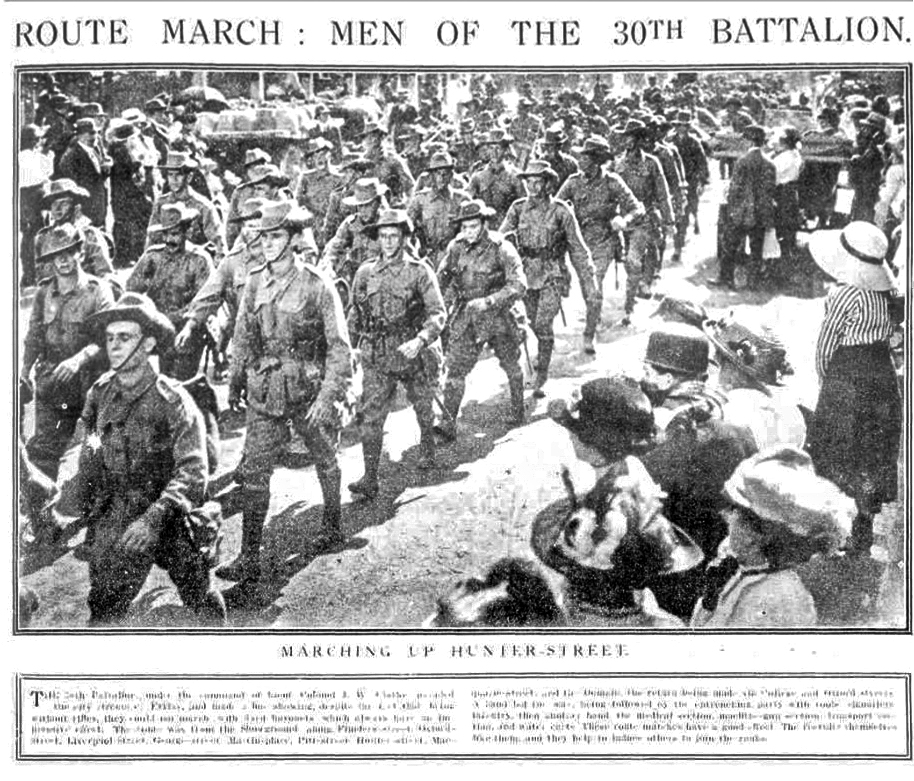
After several months of training in New South Wales, the brothers embarked from Sydney aboard HMAT A67 Orsova on 11 March 1916. Following a voyage across the Indian Ocean, they arrived in Egypt where the Australian Imperial Force was undergoing a major reorganisation following the Gallipoli campaign.
The 30th Battalion had been formed at Liverpool, New South Wales, in August 1915 as part of the 8th Brigade, 5th Australian Division. The original battalion had sailed for Egypt in November 1915, while James, Russell and Joseph joined as reinforcements several months later. At Ferry Post, on the banks of the Suez Canal, they completed further training in musketry, bombing, bayonet fighting and trench warfare while also helping guard this strategically important waterway.
On 16 June 1916, the 30th Battalion left Egypt for France, arriving at Marseilles a week later. From there the battalion endured a train journey of more than 60 hours before reaching Hazebrouck, then marched to Morbecque. The men continued training, were introduced to gas masks and experienced their first periods in the front-line trenches near Fleurbaix.
Private Frederick Richard Sharp (2134) later described his first impressions of France:
“From the time we left Marseilles until we reached our destination was nothing but one long stretch of farms and the scenery was magnificent.” “France is a country worth fighting for.”
Training now included the use of gas masks and they also would have heard the heavy artillery from the front lines. On 8th July they were headed to the front lines, first to Estaires, 20 km, and the next day 11 km to Erquinghem, where they were billeted at Jesus Farm. They got their first ‘taste’ of being in the front lines at 9.00 PM on 10th July. A week later the battalion received orders to take part in an attack near the French village of Fromelles. Poor weather delayed the assault for two days, but on 19 July the men prepared for what would become the 30th Battalion's first major battle on the Western Front—and one of the most costly in Australia's military history.
The Battle of Fromelles
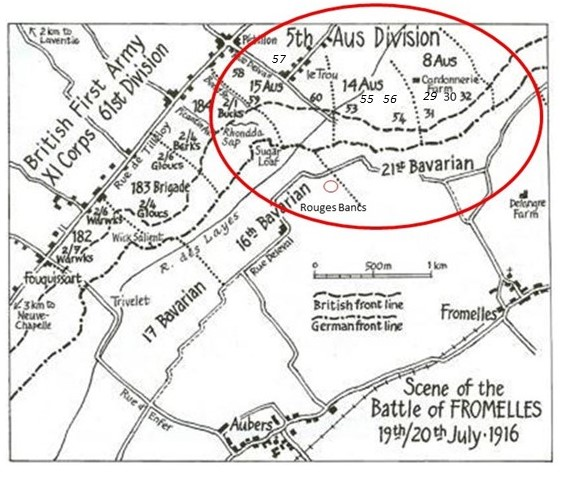
Then just two days after that, the 29 officers and 927 other ranks of the 30th Battalion were into battle. The 30th Battalion’s role in the battle was to provide support for the attacking 31st and 32nd Battalions, digging trenches and providing carrying parties for supplies and ammunition. They would be called in as reserves if needed for the fighting. The 32nd’s charge over the parapet began at 5.53 PM and the 31st’s at 5.58 PM.
There were machine guns emplacements to their left and directly ahead at Delrangre Farm and there was heavy artillery fire in No-Man’s-Land. The initial assaults were successful and by 6.30 PM the Aussies were in control of the German’s 1st line system (Trench B in the diagram below), which was described as “practically a ditch with from 1 to 2 feet of mud and slush at the bottom”.
Source AWM4 23/49/12, 32nd Battalion War Diaries, July 1916, page 11
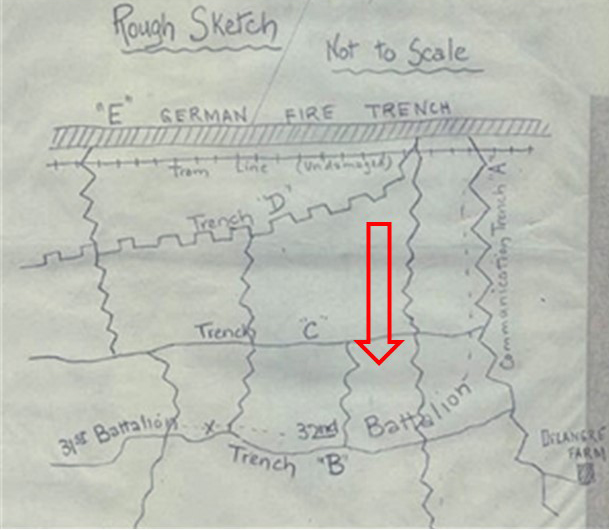
While the 30th’s role was to be in support, commanders on scene made the early decision to use them as much-needed reinforcements. A necessary act, but it had consequences as it interfered with the planned flow of supplies. By 8.30 PM the Australians’ left flank had come under heavy bombardment with high explosives and shrapnel. Return bombardment support was provided and they were told that “the trenches were to be held at all costs”.
Source AWM4 23/49/12, 32nd Battalion War Diaries, July 1916, page 12
When the 30th was ‘formally’ called to provide fighting support at 10:10 PM, Lieutenant-Colonel Clark of the 30th reported:
“All my men who have gone forward with ammunition have not returned. I have not even one section left.”
Fighting continued through the night. The Australians made a further charge at the main German line beyond Trench B, but they were low on grenades, there was machine gun fire from behind from the emplacement at Delangre Farm and they were so far advanced that they were getting shelled by both sides.
At 4.00 AM the Germans began an attack from the Australian’s left flank, bombing and advancing into Trench A (map). Given the Australian advances that had been made earlier, portions of the rear Trench E had been left almost empty, which then enabled the Germans to be in a position to surround the soldiers. At 5.30 AM the Germans attacked from both flanks in force and with bombing parties. Having only a few grenades left, the only resistance the 31st could offer was with rifles. “The enemy swarmed in and the retirement across No Mans’ Land resembled a shambles, the enemy artillery and machine guns doing deadly damage.”
Source AWM4 23/48/12, 31st Battalion War Diaries, July 1916, page 29
By 10.00 AM on the 20th, the Germans had repelled the Australian attack and the 30th Battalion were pulled out of the trenches. The nature of this battle was summed up by Private Jim Cleworth (784) from the 29th:
"The novelty of being a soldier wore off in about five seconds, it was like a bloody butcher's shop".
Initial figures of the impact of the battle on the 30th were 54 killed, 230 wounded and 68 missing – for a battalion that was intended to be in ‘reserve’. To get some perspective of the battle, when Charles Bean, Australia’s official war historian, attended the battlefield two and half years later, he observed a large amount of bones, torn uniforms and Australian kit still on the battlefield.
The ultimate total for the 30th Battalion was that 125 soldiers were either killed or died from wounds and of this total 80 were missing/unidentified.
The Balsdons were hit hard in 1916
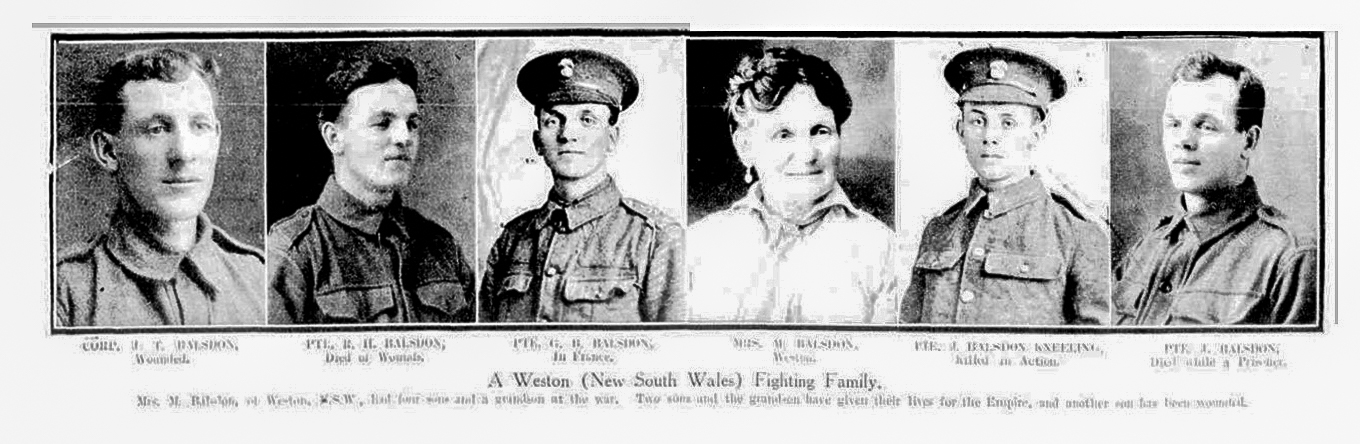
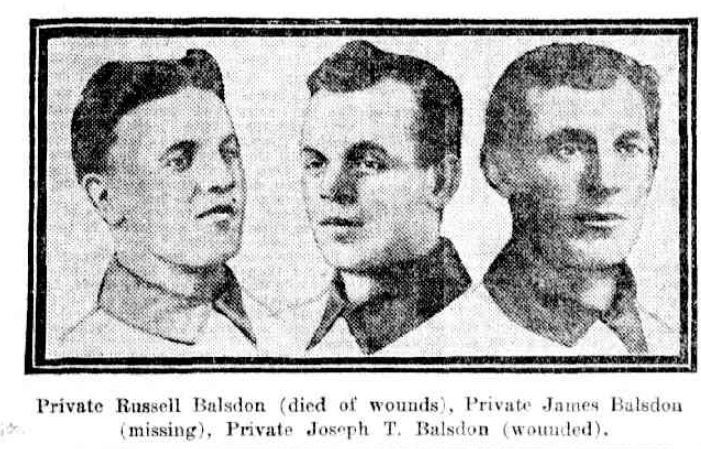
Joseph, Russell, George, Margaret, J Kneeling (grandson), James
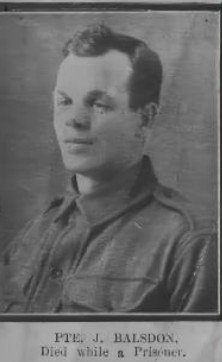
James
Based on witness statements, James was well forward in the Australian advances. Private James Mansfield Payten (1327) stated:
“he was killed right under the parapet of German trenches he died almost at once I was along side him”
Private H V T Hodgins (2063) witness statement is equally as clear. He was initially recorded as one of the many who were “missing in action”. His formal service record of January 1917 reports that he died while a Prisoner of War, but given the witness statements, the basis for what actually happened to James is uncertain.
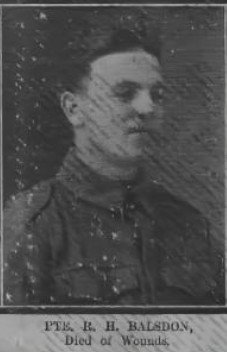
Russell
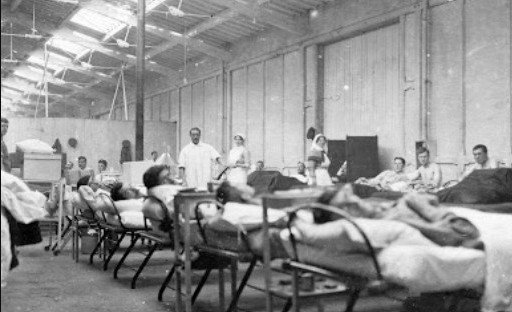
Russell Henry Balsdon was severely wounded during the Battle of Fromelles, suffering gunshot wounds to his arm and neck. He was evacuated from the battlefield to a Casualty Clearing Station on 20 July before being transferred by ambulance train to the 13th General Hospital at Boulogne.
Despite the efforts of the medical staff, Russell's wounds proved too severe. He died on 28 July 1916, aged 28. Two days later, he was buried by the Reverend T. S. Gouge at Boulogne Eastern Cemetery, France (Plot VIII, Row A, Grave 154).
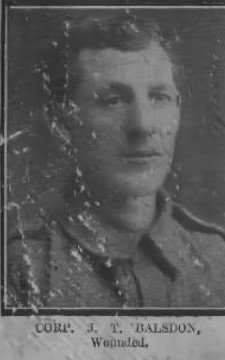
Joseph
Joseph Tucker Balsdon fought alongside his brothers James and Russell during the Battle of Fromelles. He suffered a gunshot wound that caused a compound fracture to his left arm and was evacuated to England for treatment. Although he survived, Joseph never regained full use of the arm and was medically discharged, returning to Australia in May 1917. Unlike his brothers, Joseph came home, but he did so carrying the lifelong effects of his wounds and the grief of losing James and Russell within days of one another.
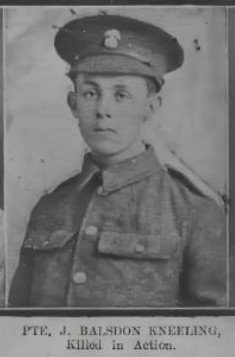
James Balsdon Kneeling
James Balsdon Kneeling, Margaret Balsdon's grandson, served with the Northumberland Fusiliers. While his uncles James, Russell and Joseph were serving with the Australian Imperial Force, James fought on the Western Front with the British Army. He was killed in action in August 1916, only weeks after the Battle of Fromelles, adding another devastating loss to the Balsdon family.
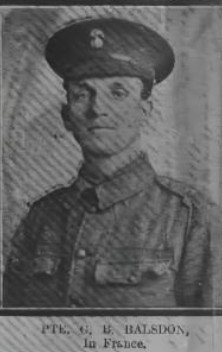
George
George Bell Balsdon served with the 7th Battalion, Northumberland Fusiliers. He was the only one of Margaret Balsdon's serving sons to survive the First World War. By the end of 1916, he had lost two brothers, James and Russell, while another brother, Joseph, had returned to Australia permanently disabled.
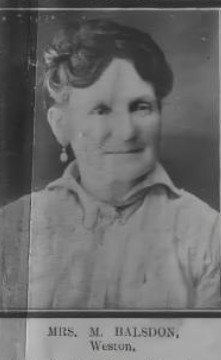
Margaret
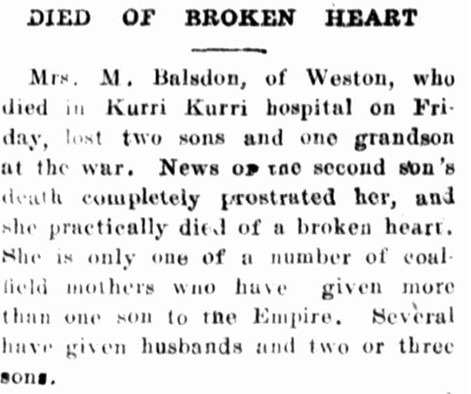
Margaret Balsdon endured unimaginable loss during 1916. Within weeks she learned that James had been killed at Fromelles, Russell had died of his wounds, Joseph had returned seriously wounded, and her grandson, James Balsdon Kneeling, had also been killed while serving with the British Army. Margaret died in December 1916, only months after these devastating events. Contemporary newspapers reported that she had died of "a broken heart", reflecting the profound grief experienced by the family.
James, Russell and Joseph all received the Victory and British War Medals. James and Russell also received Memorial Plaques and Memorial Scrolls.
Their sister Blanche was in communication with the Army for years after the War, seeking to receive James’s and Russell’s War medals. There were ‘rules’ about who in the family was eligible for this – parents, eldest sibling, etc – and next-of-kin records on file with the Army would have been complicated by their multi-country basis and deaths in the family. She persisted and finally received the medals in 1943. Finally, some degree of closure for the loss of two of her brothers.
James is commemorated at V.C. Corner, Australian Cemetery Memorial at Fromelles and he and Russell at the Australian War Memorial, Canberra and the Kurri Kurri NSW War Memorial. Russell is buried in the Boulogne Cemetery, France.
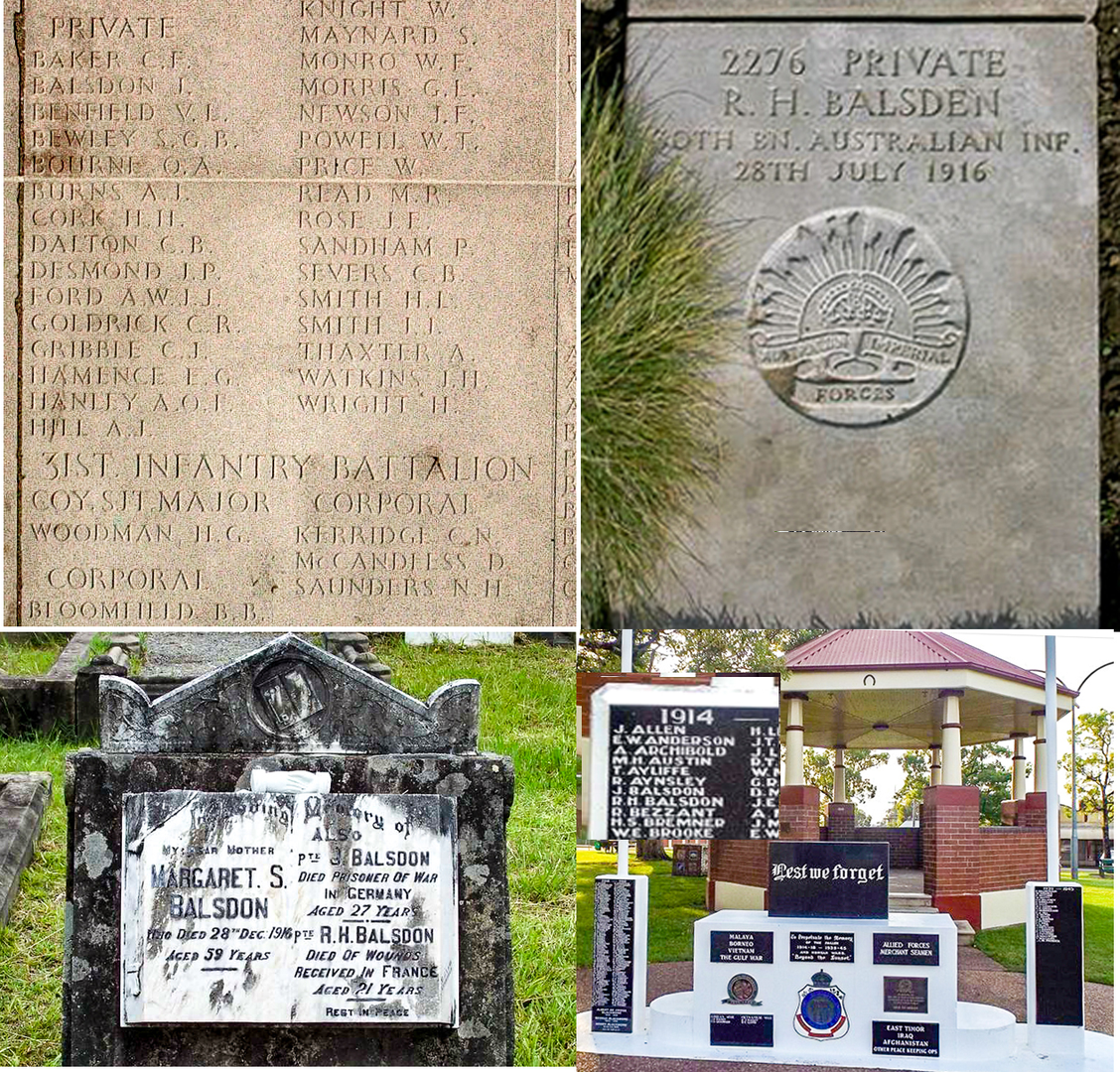
What DID happen to James?
While Privates Payten’s and Hodgins’ witness statements seems clear enough about James’ fate, his official record in January 1917 says he died while a Prisoner of War.
Did he actually survive and was captured?
There is a long trail of communication about James, but it does not fit well with either the processes the Germans used in reporting Prisoners of War or the handling of soldiers’ bodies that they recovered. At the end of July 1916, there is German correspondence advising that James’ paybook had been sent to the Central Office of Left Property in Berlin, but they also issued advice, dated 2 August, that James “fell on 4.7.16 in the neighbourhood of Fromelles” (was this a typo?). This wording is typically used for the bodies that the Germans recovered from the battlefield. They also had his ID tag, which was returned later.
James’ name then appears on an 18 August German list of personal effects. In mid-September the Red Cross created an ‘index card’ that denotes James as a prisoner, but this is likely based on the assumption that if the Germans had his Paybook it must have meant that he was a Prisoner of War. There is also an undated, handwritten annotation, however, of “bel. Died”.
At the end of October James appears on three separate German Death Lists.
There are no communications from the Germans about him being a Prisoner of War, but in January 1917, he is officially declared by the Army as having died in Germany as a POW.
After the War, Captain Charles Mills made extensive efforts to locate all the Australians who died in POW camps. In one of his reports, 16 March 1919, he did note that James died on 20th July and that his ID disk had been returned, but there were no reports about James being processed or having died as a Prisoner of War. The last document about James is from 1920, long after his Service Record was filled in as having died while a POW. This one says he was “Killed in Action” on 20th July 1916.
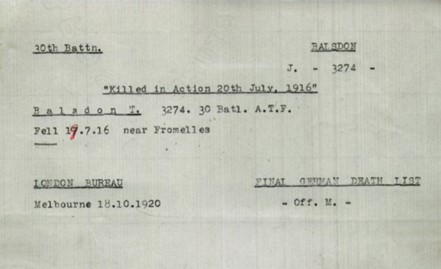
In all likelihood, James did die as described by his mates, the Germans recovered his ID tag and paybook and passed them on thru channels and presumably they buried him at Fromelles, possibly in the burial pit at Pheasant Wood that was discovered in 2008. As of 2024 26 of the 80 unidentified soldiers from the 30th Battalion who died at the battle have been found to be in the burial pit. 70 unidentified bodies remain from the 250 that were in the grave.
James could be one of these remaining soldiers. We need family DNA donors to be able to find out and be able to give James proper recognition. Specifically, we need a mtDNA donor, i.e. someone from a female to female to female line. It could be a living male, but he would need to have had an all female ancestral relationship as well.
DNA samples are being sought for family connections to
| Soldier | James Balsdon (1889-1916) |
| Parents | James Balsdon (1848-1906) Northumberland, England and Margaret Smith Bell (1857-1916), Weston, New South Wales |
| Siblings | Grace (1875-1908) Northumberland, England married Emil Kneeling (1865-?) b Dresden, Germany | ||
| George Bell (1880-1966) Northumberland, England married Emma Floyd Southern (1886-1965) | |||
| Clara (1883-1949) Northumberland, England married Arthur Morin (1875-1964) b Latvia | |||
| Joseph Tucker (1886-1976) d Kurri Kurri, New South Wales married Margaret Ellen Hindmarsh (1890-1963) d Kurri Kurri NSW | |||
| John Turner (1892-1955) d Lynemouth, Northumberland, England married Lily | |||
| Russell Henry (1895-1916) d Fromelles, France | |||
| Blanche Mary (1898-1971) d New South Wales married Clifford Yeomans |
| Grandparents | |||
| Paternal | James Balsdon (1848-1907 ?) b Devon, England and Grace Tucker (1848-?) | ||
| Maternal | George Bell (1824-1890) d Northumberland, England and Abigail Smith (1827-1910) d Northumberland, England |
Note. Joseph returned from the war and had three sons, Neville Norman, and twins James and Russell Henry.
The Fromelles Association would love to hear from you

Contacts
(Contact: carla@fromelles.info or geoffrey@fromelles.info).
(Contact: army.uwc@defence.gov.au or phone 1800 019 090).
Donations
If you are able, please contribute to the upkeep of this resource.
(Contact: bill@fromelles.info ).